


The Power of Medical Micropigmentation: Concealing Scars, Stretch Marks, and More
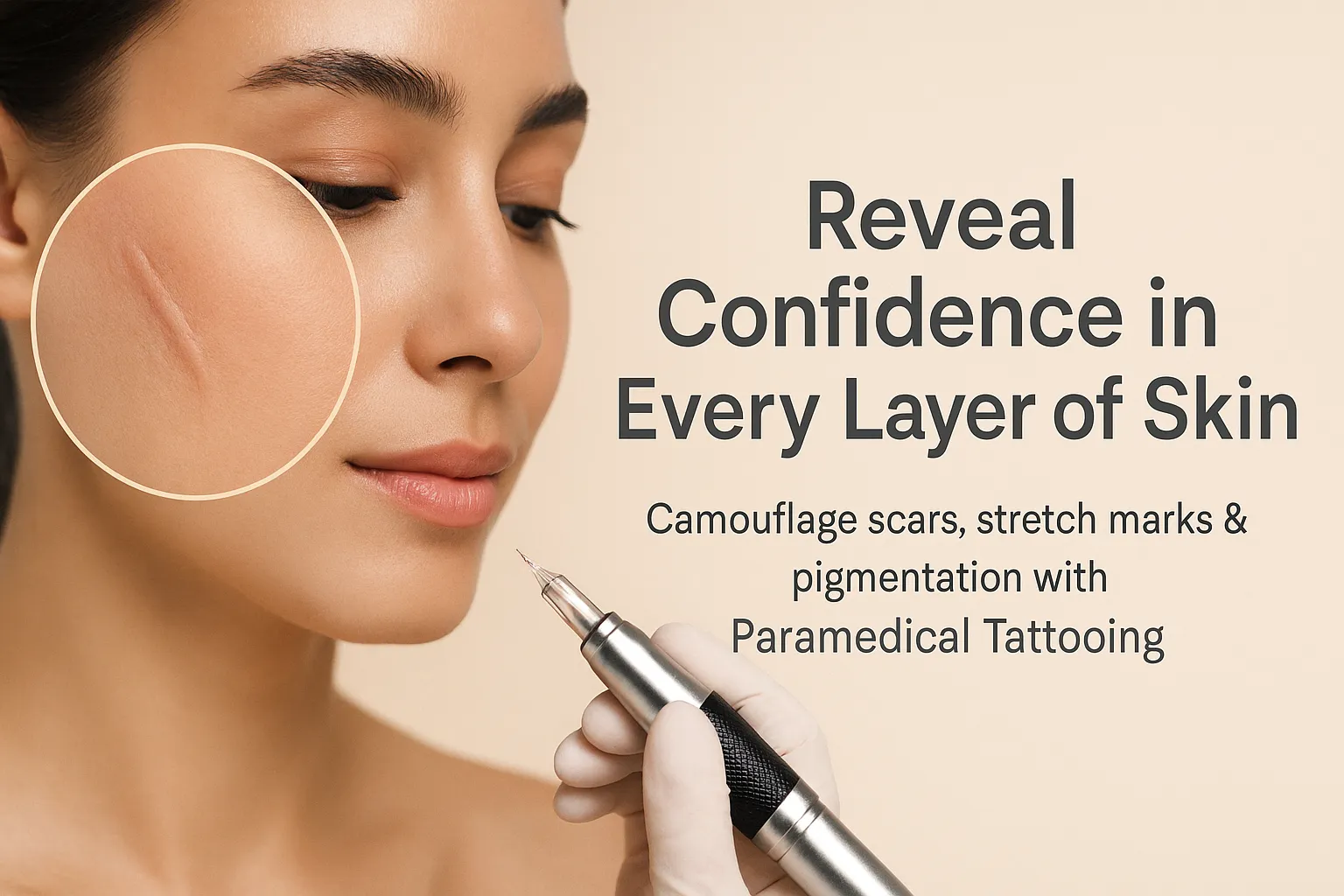
Paramedical Tattooing is done by having a trained technician uses a tattoo machine to deposit skin-toned pigments into the dermis. The process helps blend areas of discoloration into the surrounding skin and is ideal for stable hyperpigmentation (not active or inflamed). Common Use Cases include post-inflammatory hyperpigmentation (PIH), Vitiligo (only if stable), Scars (burns, surgical scars, acne scars), Melasma (if treatment-resistant), Stretch marks, and Areola reconstruction (post-mastectomy)
Before getting a paramedical tattoo, there are several important factors to consider. First, the client’s skin must be stable—meaning no active acne, irritation, or inflamed melasma—since tattooing over unstable skin can worsen the condition. Proper color matching is also crucial. Sun protection plays a vital role both before and after the procedure, as UV exposure can cause the pigment to fade or change color over time. Additionally, some areas with thinner skin, such as certain parts of the face, may not be suitable for tattooing. Lastly, achieving optimal results may require multiple sessions to ensure the pigment blends seamlessly with the surrounding skin.
After receiving the treatment (PT), proper post-treatment care is essential to ensure optimal healing and pigment retention. It is suggested to keep the treated area clean and well-moisturized to support skin recovery. Sun exposure should be avoided, as UV rays can interfere with the healing process and cause pigment fading or discoloration. Additionally, exfoliating acids such as AHAs and BHAs should not be used on the area for several weeks, as they can irritate the skin and compromise the results of the tattoo. Following the technician’s specific aftercare instructions is crucial for achieving the best possible outcome.
Dark scars
In terms of camouflaging dark scars, this can be done by blending them with the surrounding skin tone. This technique involves implanting custom-matched pigments into the scar tissue using a specialized tattoo machine. It works best on flat, fully healed scars that have darkened due to post-inflammatory hyperpigmentation or trauma. Before undergoing the procedure, the scar must be stable—meaning it should not be red, raised, or actively changing in color or texture. The goal of paramedical tattooing is not to remove the scar but to visually conceal it, creating a more even and natural appearance. The process often requires multiple sessions to match the skin tone precisely, especially if the scar is located on a part of the body exposed to sunlight, where skin tone may vary seasonally. Aftercare is crucial to maintain pigment longevity, and sun protection is especially important to prevent future pigmentation changes. While the results are long-lasting, occasional touch-ups may be recommended to keep the pigment looking fresh over time.
Light scars
For light scars—those that appear paler than the surrounding skin—paramedical tattooing is one of the most effective options for cosmetic camouflage. These types of scars often result from surgeries, injuries, burns, or stretch marks, and occur when melanin (the pigment that gives skin its color) does not return to the area after healing.
In this case, paramedical tattooing helps by implanting skin-toned pigments into the scar tissue to match the surrounding complexion. This reduces the contrast between the scar and normal skin, making the scar much less noticeable. The treatment works best on flat, mature scars—meaning the scar is fully healed, not raised, and has not changed in appearance for at least 12 months.
Multiple sessions are usually required to fine-tune the color and ensure even blending, as light scars often absorb pigment differently from normal skin. Aftercare involves keeping the area clean, moisturized, and protected from sun exposure, as UV rays can alter the pigment over time. While paramedical tattooing doesn't remove the scar itself, it can significantly improve its visual appearance, boosting confidence and comfort in one’s skin.
Hair Loss:
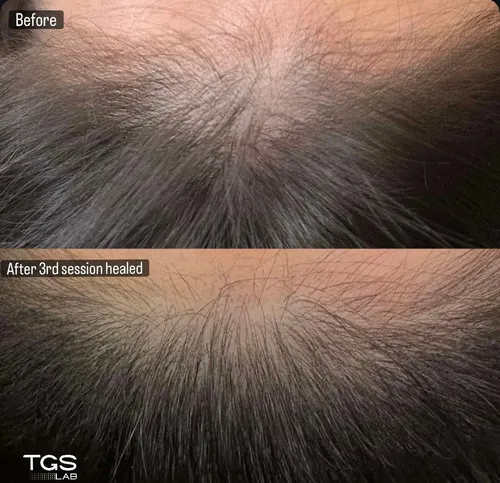
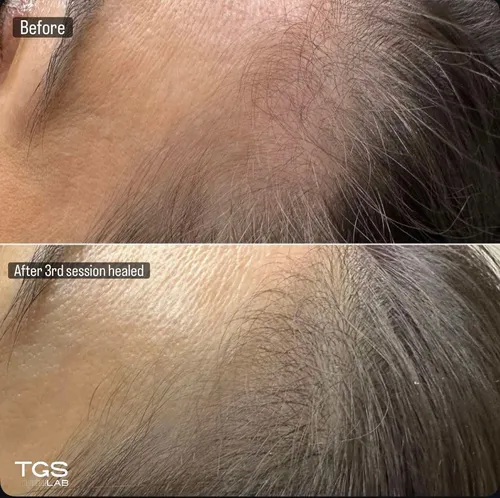
Also I would like to promote this technique
Hair loss treatments today often combine both topical solutions and cosmetic procedures to improve scalp health and the appearance of fuller hair. One common approach involves the use of hair growth serums, which are applied directly to the scalp to stimulate hair follicles. These serums often contain active ingredients like minoxidil (which increases blood flow to the scalp), caffeine (which energizes follicles), and nutrients such as peptides, biotin, or plant extracts to nourish the hair and scalp. When used consistently, usually once or twice a day, these serums can help slow down hair loss and promote regrowth, especially in cases of early-stage thinning.
Another increasingly popular method is scalp micropigmentation, known in Thai as “ฝังสีตอผม.” This technique mimics the appearance of hair follicles by tattooing tiny pigment dots onto the scalp. When done with ink, it gives the illusion of denser hair, making it ideal for those with thinning hair, receding hairlines, or bald patches. The results can last between two to five years, although touch-ups may be needed over time due to fading. For individuals who prefer a more natural, regenerative approach, inkless scalp micropigmentation is an option. This version uses a tattooing machine without any pigment—only dry needle stimulation—to trigger the body’s healing response. It increases blood circulation, collagen production, and scalp regeneration, sometimes paired with the application of growth serums or peptides for enhanced effectiveness.
Combining these treatments often leads to the best results. For instance, microneedling or inkless micropigmentation can create microchannels in the scalp, allowing hair serums to penetrate deeper and work more effectively. After the scalp has improved in health and density, pigmented micropigmentation can be added for visual enhancement if desired. While these methods don't cure the underlying causes of hair loss, they provide significant cosmetic
improvement and can boost confidence when administered correctly and maintained with proper aftercare.
Furthermore, scalp micropigmentation (SMP) can be performed either with ink or inkless, depending on the desired outcome. SMP with ink involves depositing tiny pigment dots into the scalp to mimic the appearance of hair follicles, creating the illusion of fuller hair or a shaved “buzz cut” look. It’s ideal for those with bald spots, thinning hair, or scars from hair transplants, and results can last 2 to 5 years with touch-ups. On the other hand, inkless SMP—also known as dry needling—uses the same equipment but without pigment. Instead of creating a cosmetic effect, it stimulates blood flow, collagen production, and scalp healing, which can help awaken dormant follicles and enhance hair growth over time. This method is especially effective when combined with topical serums such as minoxidil, peptides, or growth factors, which are applied during or after the treatment for deeper absorption. While ink-based SMP provides immediate visual results, inkless SMP focuses on long-term scalp health and natural regrowth. Some people even combine both approaches: starting with inkless sessions to improve scalp condition and following up with ink-based SMP for a more complete transformation.
Acne scars:
So many different ways to treat acne scars,
- Laser treatment for acne scars that can affect the collagen remodeling and decreasing fibrosis in the scars.
- subcision technique
- micro needing with special serum (ink less serum) this is the good results and good prices. * I would like to promote this technique.*
- Acne scars can be challenging to treat, but paramedical tattooing, including
Micropigmentation techniques For acne scars, especially those that are depressed or uneven, paramedical tattooing works by implanting pigments that match the client’s natural skin tone into the scarred areas, reducing the contrast between the scar and surrounding skin. This helps create a smoother, more even complexion. The treatment is most effective on mature, stable scars that have fully healed and are not inflamed. Multiple sessions may be needed to achieve optimal blending and coverage, as scars can absorb pigment differently than normal skin. While this technique doesn’t remove the scars themselves, it significantly improves their visual appearance and boosts confidence. Proper aftercare—including sun protection and moisturizing—is essential to maintain the pigment and protect sensitive scar tissue.
C-section scars: * Also I would like to promote this technique*
C-section scars can be effectively camouflaged using paramedical tattooing, a technique that blends the scar with the surrounding skin tone to reduce its visibility. This method is especially helpful for light-colored or hypopigmented scars, which often appear after surgical healing. The process involves depositing skin-tone-matched pigments into the scar tissue using specialized tattoo equipment. Over a series of sessions, the pigmentation helps even out discoloration, making the scar far less noticeable. For best results, the scar should be fully healed, flat, and at least 12 months old. In some cases, microneedling or inkless tattooing may be done first to improve the texture and stimulate collagen production before pigment is added. While paramedical tattooing doesn’t remove the scar, it drastically enhances its overall appearance, especially for individuals who feel self-conscious about the area. Aftercare is important—avoiding sun exp